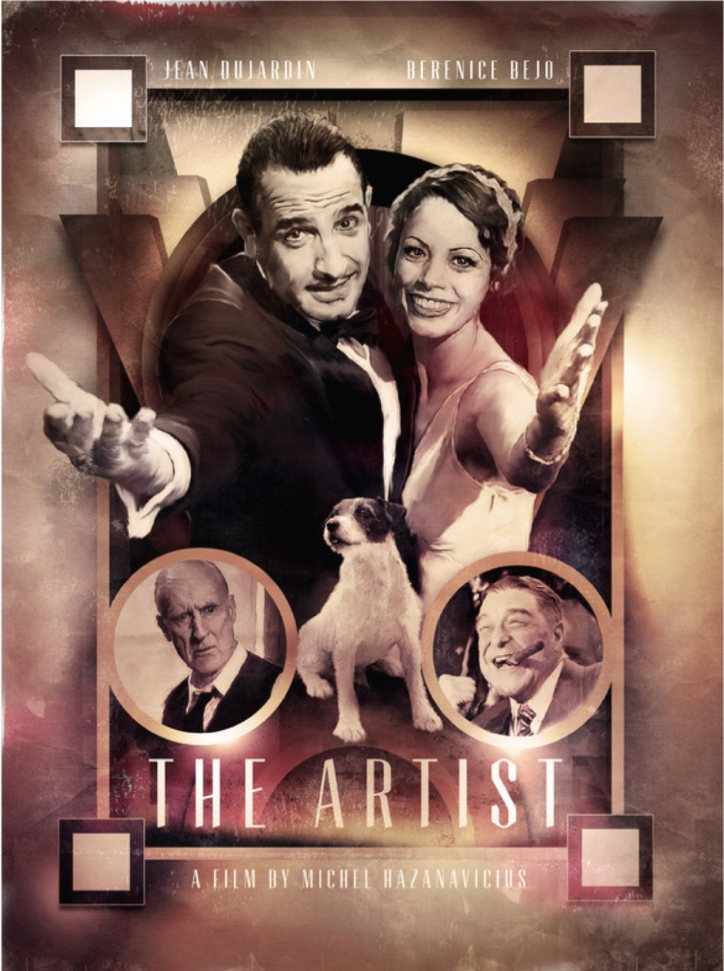
Film graphic
VS Code predicts your next move as you code. Use the Tab key to accept AI-powered suggestions right in your editor. It intelligently recommends what to change — and where — based on the edits you’re already making monicaruidresses.com/.
Visual Studio Code is a lightweight but powerful source code editor which runs on your desktop and is available for Windows, macOS and Linux. It comes with built-in support for JavaScript, TypeScript and Node.js and has a rich ecosystem of extensions for other languages and runtimes (such as C++, C#, Java, Python, PHP, Go, .NET).
Setup adds Visual Studio Code to your %PATH% environment variable, to let you type ‘code .’ in the console to open VS Code on that folder. You need to restart your console after the installation for the change to the %PATH% environmental variable to take effect.
Open source command line interface for Visual Studio Team Services from Windows, Linux, and Mac. Manage pull requests, builds, work items, and more directly from a command prompt or from scripts. See the docs for more information. For manual download and install steps check out these links – Windows, Linux, Mac.
Movie art
Use of this site constitutes acceptance of our Terms of Service and Privacy Policy.This site is designed to be compliant with current web accessibility standards, however if you’re having trouble accessing any area of the site please call (212) 226-2207 or email gallery@posteritati.com.
All images on CineMaterial.com are intended for non-commercial entertainment and education use only – reviews, fan art, blogs, forums, etc. CineMaterial is not endorsed, sponsored or affiliated with any movie studio. All copyrights, trademarks, and logos are owned by their respective owners. This site is for non-profit/educational use only. Using images from CineMaterial to make and/or sell reprinted movie posters is strictly forbidden.
Did you know that during the communist-era a lot of surreal movie posters were created in Poland, as an alternative to banned U.S. publicity material? Some are true works of art! Make sure to have a look at our section of classic Polish posters.
Use of this site constitutes acceptance of our Terms of Service and Privacy Policy.This site is designed to be compliant with current web accessibility standards, however if you’re having trouble accessing any area of the site please call (212) 226-2207 or email gallery@posteritati.com.
All images on CineMaterial.com are intended for non-commercial entertainment and education use only – reviews, fan art, blogs, forums, etc. CineMaterial is not endorsed, sponsored or affiliated with any movie studio. All copyrights, trademarks, and logos are owned by their respective owners. This site is for non-profit/educational use only. Using images from CineMaterial to make and/or sell reprinted movie posters is strictly forbidden.
Did you know that during the communist-era a lot of surreal movie posters were created in Poland, as an alternative to banned U.S. publicity material? Some are true works of art! Make sure to have a look at our section of classic Polish posters.
Film graphic
Perhaps one of the most influential movies for graphic design in film in recent times, The Grand Budapest Hotel has countless lessons for graphic designers. Ranging from skill to set design to props, the graphic design in the movie is what made it stand out. However, the most important lesson it has in store for graphic designers is about accepting failure.
“A sensibility for detail is key,” Mina says. “Some people set their own projects and put them in their portfolio. For example, I’ve seen applicants recreate their family history using false letters between family members, where they’ve gone and researched all the right ink and stamps etc. It’s about having a curiosity for the ephemera.
The wonders of tv series and movies never stop moving older and younger audiences.Although the applauses often go to the rest of the team, from now on, let’s keep an eye out for every prop and praise the graphic designers’ team for their larger-than-life contribution.
Empire of the Sun artwork
“The original idea for the Tate Modern exhibition Conflict, Time, Photography came from a coincidence between two books that have captivated and inspired me for many years: Kurt Vonnegut‘s classic 1969 novel Slaughterhouse-Five and the Japanese photographer Kikuji Kawada’s 1965 photobook The Map. Both look back to hugely significant and controversial incidents from the Second World War from similar distances.
“Cuesto del Plomo,” hillside outside Managua, a well-known site of many assassinations carried out by the National Guard. People searched here daily for missing persons. July 1978, from the series, “Reframing History,” Managua, July 2004
Dr Marcus Bunyan is an Australian artist and writer. His art work explores the boundaries of identity and place. He curates Art Blart, art and cultural memory archive, which posts mainly photography exhibitions from around the world. He holds a Doctor of Philosophy from RMIT University, Melbourne, Master of Arts (Fine Art Photography) from RMIT University, and Master of Art Curatorship from the University of Melbourne.
Chloe Dewe Mathews (British, b. 1982) Six Farm, Loker, West-Vlaanderen 2013 Private Joseph Byers Private Andrew Evans Time unknown / 6.2.1915 Private George E. Collins 07:30 / 15.2.1915 © Chloe Dewe Mathews
Different conflicts also reappear from multiple points in time throughout the exhibition, whether as rarely-seen historical images or recent photographic installations. The Second World War for example is addressed in Jerzy Lewczyński’s 1960 photographs of the Wolf’s Lair / Adolf Hitler’s War Headquarters, Shomei Tomatsu’s images of objects found in Nagasaki, Kikuji Kawada’s epic project The Map made in Hiroshima in the 1960s, Michael Schmidt’s Berlin streetscapes from 1980, and Nick Waplington’s 1993 close-ups of cell walls from a Prisoner of War camp in Wales.


 Finest Wagering Websites United states
Leave a Comment... Discuss!