Classic artwork
Analog-Inspired Elements – Old film effects, Polaroid frames, and VHS distortions bring a sense of nostalgia. Designers often incorporate these elements to mimic the aesthetics of past media formats, such as TV screens with scan lines, cassette tape designs, or faded print advertisements islandfestgrosseile.com/. These details help recreate the visual language of a bygone era, making the design feel more immersive and emotionally engaging.
Igor is an SEO specialist, designer, photographer, writer and music producer. He believes that knowledge can change the world and be used to inspire and empower young people to build the life of their dreams. When he is not writing in his favorite coffee shop, Igor spends most of his time reading books, taking photos, producing house music, and learning about cinematography. He is a sucker for good coffee, Indian food, and video games.
Pop Art is one of the most iconic examples of modern retro graphic design. It blends bold, graphic visuals with a sense of nostalgia for mid-20th-century popular culture. Pop Art takes retro elements and transforms them into a modern look with vibrant colors and visuals like comic strips.
The artwork is inspired by the psychedelic movement filled with fluid shapes, hand-drawn typography, vibrant neon colors, and dream-like themes with no negative space. This is often observed in new album covers and other music videos. Moreover, the psychedelic style still resonates in contemporary design, including t-shirt designs, posters, festival decor, and modern art.
Film graphic
“And we are actually planning to do some of our own workshops in the next six months as a result of constantly meeting people who don’t know how to take their graduate skills to the next step. The idea is to run some weekend workshops in the coming months, based in London, for small groups looking to develop their graphic design in film skills.
Typography in film is an essential form of art that helps filmmakers portray a film’s mood and tone through its arrangement and design. It enhances the storytelling process by altering the title, credits, and dialogue on screen. To connect with the film’s genre and intended message, graphic designers carefully examine font choices, sizes, and colors.
Like Martin T. Charles alluded to in his final thoughts, graphic designers do sometimes get it wrong, and it does show. One of Annie Atkins’ classic stories was shared during a lecture at the 2017 AIGI Design Conference. It’s from the production of The Grand Budapest Hotel and involves one of the film’s most iconic props.
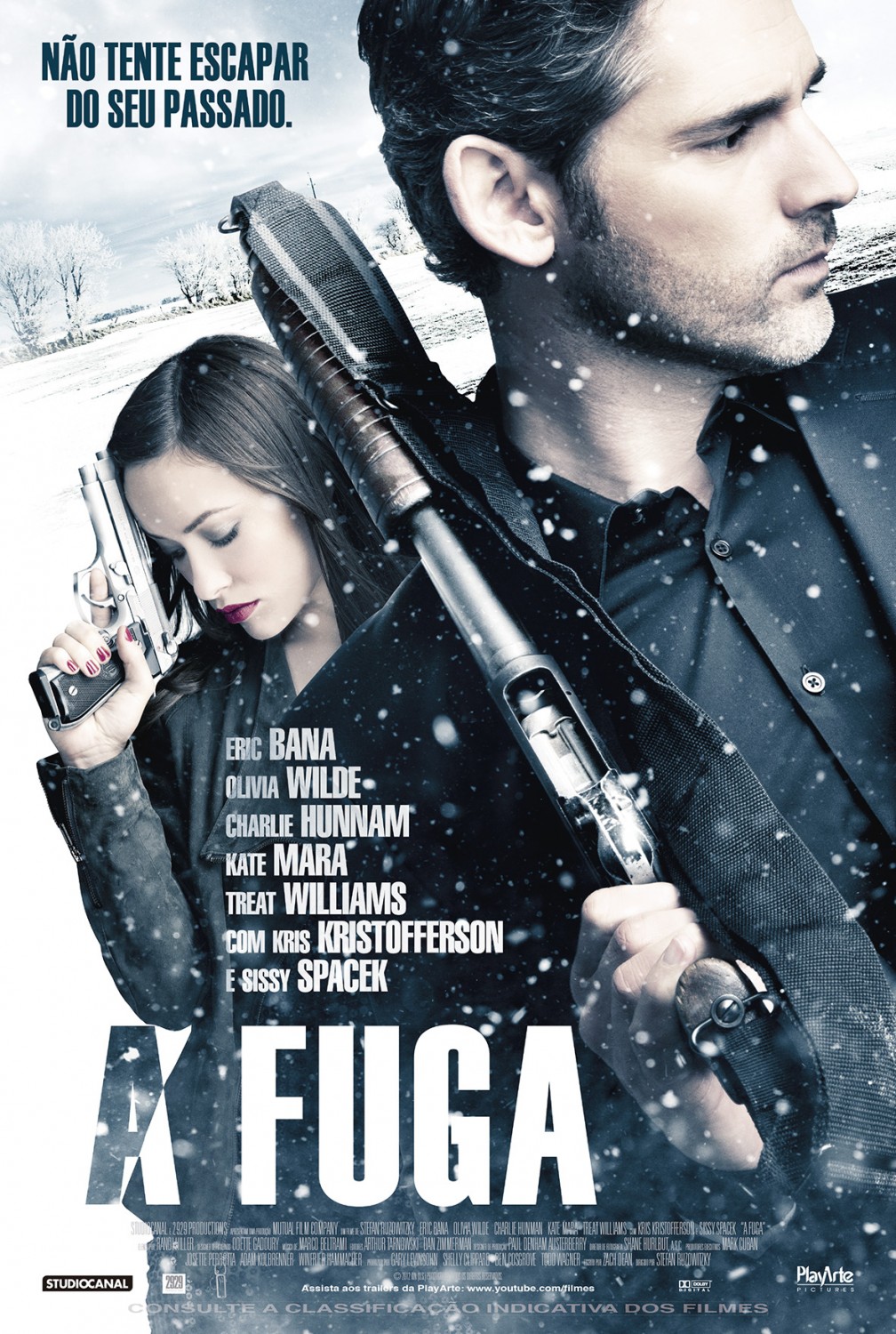
“And we are actually planning to do some of our own workshops in the next six months as a result of constantly meeting people who don’t know how to take their graduate skills to the next step. The idea is to run some weekend workshops in the coming months, based in London, for small groups looking to develop their graphic design in film skills.
Typography in film is an essential form of art that helps filmmakers portray a film’s mood and tone through its arrangement and design. It enhances the storytelling process by altering the title, credits, and dialogue on screen. To connect with the film’s genre and intended message, graphic designers carefully examine font choices, sizes, and colors.
Like Martin T. Charles alluded to in his final thoughts, graphic designers do sometimes get it wrong, and it does show. One of Annie Atkins’ classic stories was shared during a lecture at the 2017 AIGI Design Conference. It’s from the production of The Grand Budapest Hotel and involves one of the film’s most iconic props.
Classic artwork
In my blog, I delve into the realms of art and business, provide tips on Procreate, and celebrate the artists who inspire me. My goal is to connect with fellow art enthusiasts, offering a blend of expertise, experience, and a genuine love for art history. Join me in this journey as we explore the fascinating world of art together.
This masterpiece encapsulates the Impressionist fascination with light, offering a snapshot of a typical Parisian scene rendered in delicate, dappled sunlight. It’s a celebration of everyday life captured with artistic sensitivity.
Regardless of the fact that Tahiti is depicted as a faultless paradise, the picture challenges the observer with two topless ladies in a similar and traditional fashion that compares women’s bosom to fruits or blossoms. Paul Gauguin’s painting was one of his last pieces in Tahiti.
Empire of the Sun artwork
Chloe Dewe Mathews (British, b. 1982) Vebranden-Molen, West-Vlaanderen 2013 Soldat Ahmed ben Mohammed el Yadjizy Soldat Ali ben Ahmed ben Frej ben Khelil Soldat Hassen ben Ali ben Guerra el Amolani Soldat Mohammed Ould Mohammed ben Ahmed 17:00 / 15.12.1914 From the series Shot at Dawn © Chloe Dewe Mathews
“… taking its cue from Vonnegut, ‘Conflict, Time, Photography’ is arranged differently, following instead the increasing passages of time between events and the photographs that reflect on them. There are groups of works made moments after the events they depict, then those made days after, then months, years and so on – 10, 20, 50, right up to 100 years later.”
Conflict, Time, Photography is curated at Tate Modern by Simon Baker, Curator of Photography and International Art, with Shoair Mavlian, Assistant Curator, and Professor David Mellor, University of Sussex. It is organised by Tate Modern in association with the Museum Folkwang, Essen and the Staatliche Kunstsammlungen, Dresden, where it will tour in spring and summer 2015 respectively. The exhibition is also accompanied by a fully-illustrated catalogue from Tate Publishing and a programme of talks, events and film screenings at Tate Modern.
Kikuji Kawada (Japanese, b. 1933) Hinomaru, Japanese National Flag 1965 From the series The Map Gelatin silver print 279 x 355mm © Kikuji Kawada, courtesy the artist and Photo Gallery International, Tokyo
While the images allow increasing passages of time between events and the photographs that reflect on them – “made moments after the events they depict, then those made days after, then months, years and so on” – there settles in the pit of the stomach some unremitting melancholy, some unholy dread as to the brutal facticity and inhumanness of war. The work which “pictures” the memory of the events that took place, like a visual ode of remembrance, are made all the more powerful for their transcendence – of time, of death and the immediate detritus of war.


 A Pirâmide Premiada Plinko Portugal, a emoção do risco controlado com 99% de retorno e ganhos de até
Leave a Comment... Discuss!